Basic English Course 1

Unit 2: In Class

Learn how to talk about people, places, objects, possession, location prepositions, demonstratives, and basic WH questions for classroom games and speaking activities.

Sessions 4-6In / on / atThis / thatThese / thoseWH questionsVerb to be
Learning Outcome

By the end of this unit, you will be able to ask and answer where people and things are, use in, on, and at for common places, identify objects with this, that, these, and those, and build short present-tense sentences with the verb to be.

01

Places and Location

Where People and Things Are

Use place vocabulary with the verb to be to say where a person or object is. In beginner English, the most useful structure is: person or thing + am / is / are + place.

People

Daniel is in the church.One person: use is.
Sofia is in the park.Use in for many enclosed or general places.
They are in class.More than one person: use are.

Things

The notebook is on the desk.Use on when something touches a surface.
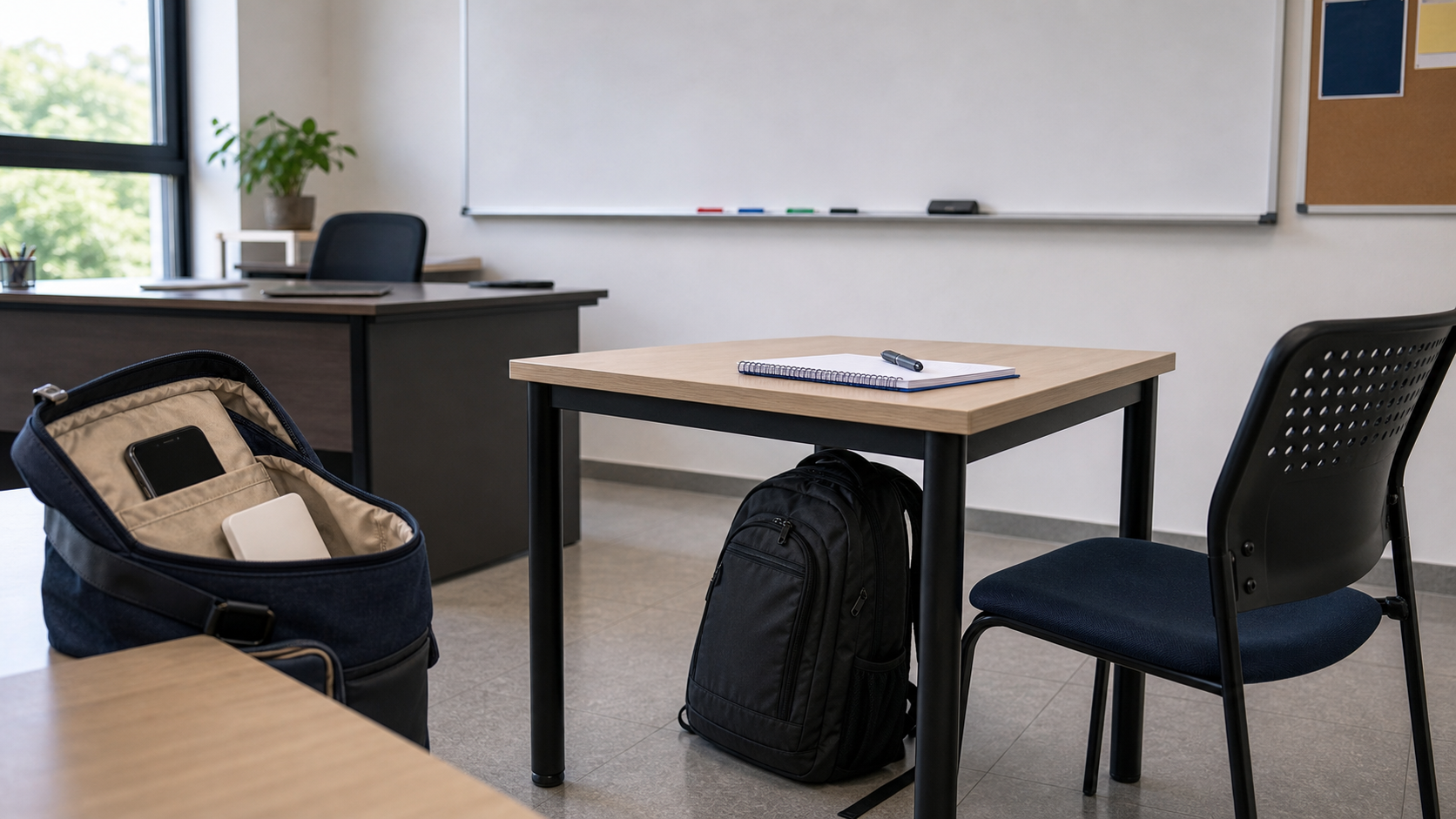
The keys are in the bag.Use in when something is inside a place or container.
The computer is in the lab.Use in for rooms: in the lab, in the classroom.
Teacher's Tip

For Unit 2 games, students can answer with short sentences first: She is in the library. Then they can expand: She is in the library with her notebook.

02

Location Prepositions

Using In, On, and At

Use in, on, and at to connect a person or thing with a place. These words are small, but they change the meaning of the sentence.

In

Use in when the person or object is inside a place, inside an area, or surrounded by that place.

Daniel is in the church.He is inside the church building.
Emma is in the library.She is inside the library.
Sofia is in the park.The park is a general area around her.

On

Use on when something is on a surface, on a line/path, or on top of a natural place.

Laura is on the mountain.She is on the mountain surface or trail.
The notebook is on the desk.The notebook touches the desk surface.
The poster is on the wall.The poster touches the wall surface.

At

Use at when the place is a point, destination, institution, event, or general location.

Mateo is at school.School is his general location or institution.
Carlos is at the supermarket.The supermarket is the place or destination.
Lucas is at the hospital.The hospital is the general location.
UseBasic ideaGood examplesWhy?
InInside or within an areain the church, in the library, in the restaurant, in the parkThe person is inside the place or inside its general area.
OnSurface, path, line, or top of a placeon the mountain, on the desk, on the wall, on the busThe person or object is touching a surface, route, or transport surface.
AtPoint, destination, event, or institutionat school, at the supermarket, at the beach, at the hospital, at the bus stationThe place is treated as a general location, not as an inside space.
Simple Classroom Rule

Ask this: Is the person clearly inside? Use in. Is the person on a surface or natural top? Use on. Is the place a destination or general location? Use at.

03

Demonstratives

This, That, These, and Those

Demonstratives help students point to objects or people. Choose the word according to distance and number.

This

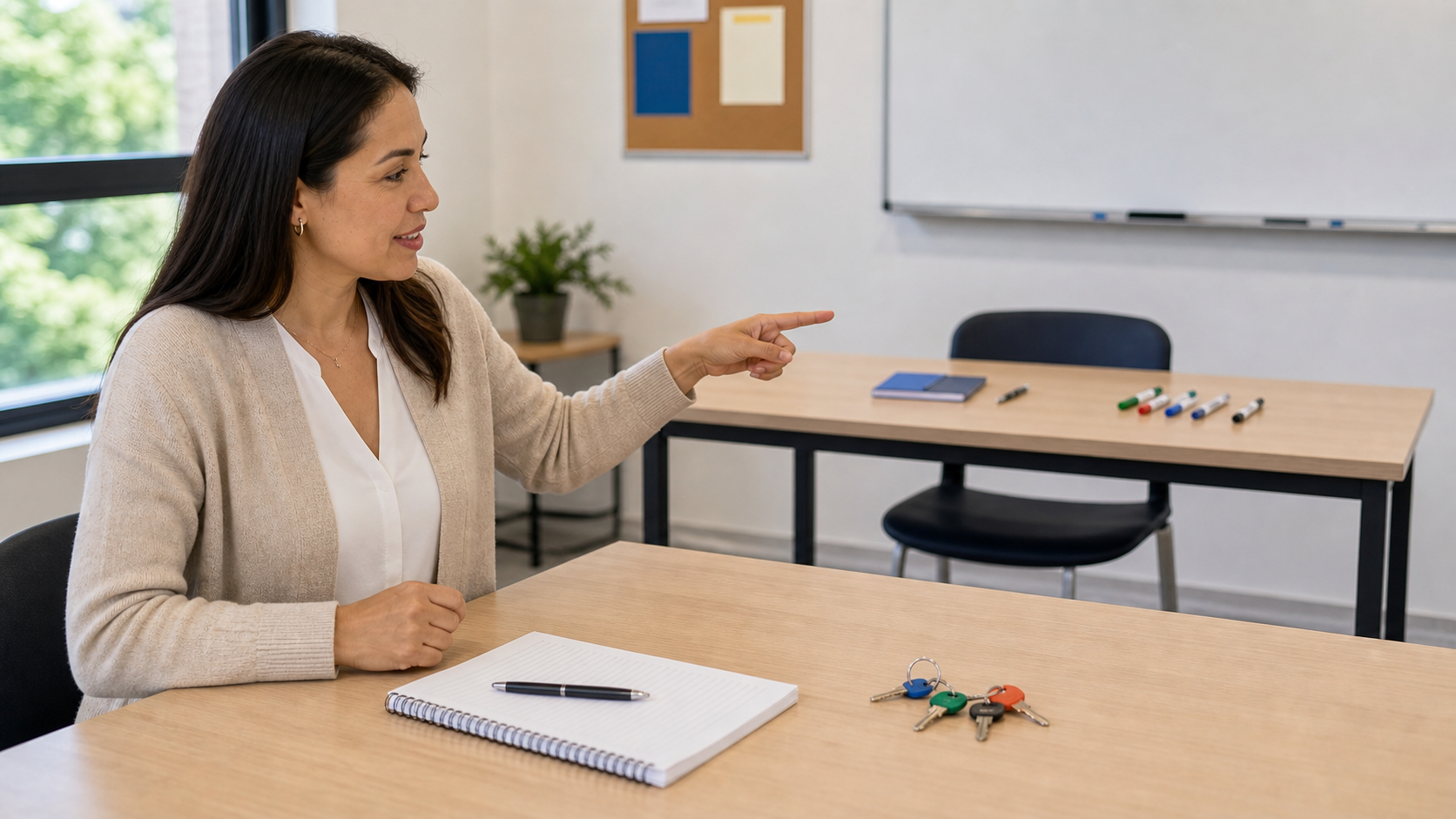
Use this for one person or thing near you.

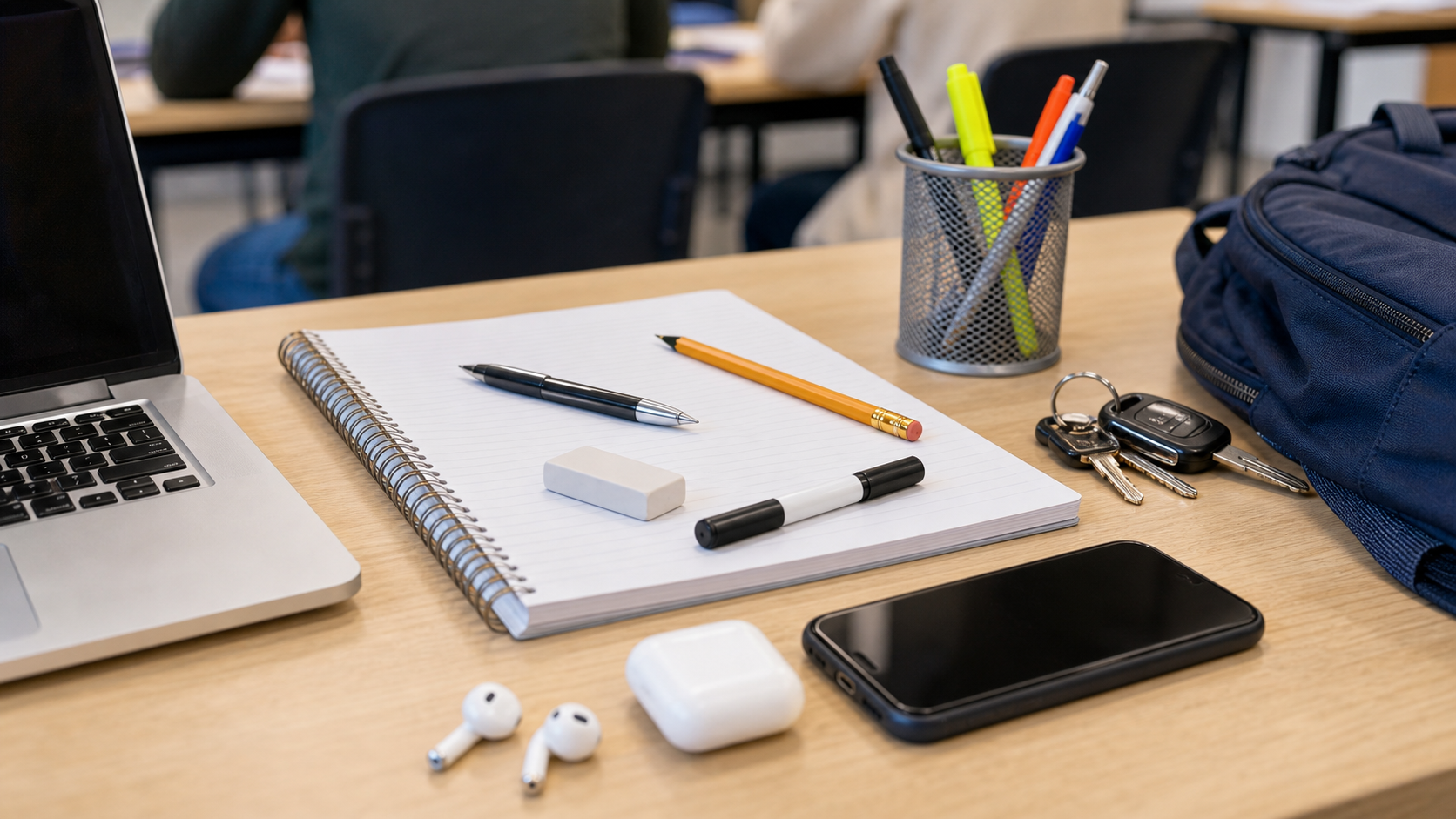
This is my pencil.The pencil is near me.
Is this your phone?Question with one near object.

That

Use that for one person or thing far from you.

That is Daniel.Daniel is not close to me.
What is that?Ask about one far object.

These

Use these for two or more people or things near you.

These are my earbuds.The earbuds are near me.
Are these your keys?Question with plural near objects.

Those

Use those for two or more people or things far from you.

Those are your notebooks.The notebooks are far from me.
What are those?Ask about plural far objects.
Common Pattern

This / that + is for one. These / those + are for two or more. In Spanish, students often forget to change is to are; practice the pair together.

04

WH Questions

Ask for Information

WH questions begin with a question word. In Unit 2, students mainly need where, what, and who. The verb to be usually comes immediately after the question word or after the subject.

Question wordUse it forStructureExample
WhereLocationWhere + is / are + subject?Where is Laura? She is on the mountain.
WhatThings or actionsWhat + is / are + this / that / these / those?What are those? They are notebooks.
WhoPeopleWho + is / are + subject?Who is that? That is Carlos.
WhosePossessionWhose + object + is this?Whose bag is this? It is Ana's bag.

Short Answers

Where is Mateo?At school.
What is this?A pencil.

Complete Answers

Where is Mateo?Mateo is at school.
What is this?This is a pencil.
05

Possession

What Is in Your Bag?

The Mystery Bag activity belongs here because it practices demonstratives, object vocabulary, possession, and WH questions.

Ask About Ownership

Is this your cellphone?Yes, it is. / No, it is not.
Are these your earbuds?Yes, they are. / No, they are not.

Report Ownership

This is Ana's notebook.One object.
Those are Laura's keys.Plural objects far from the speaker.
Practice Link

Before playing Mystery Bag, review: this / these for objects in the student's hand, and that / those for objects across the room.

06

Grammar Reminder

Verb To Be in the Present

The verb to be is the base of this unit. It connects the subject with a place, identity, description, or possession answer.

Affirmative

I am in class.I + am
She is in the library.he / she / it + is
They are in the park.you / we / they + are

Negative

I am not at home.am + not
He is not in the church.is + not = isn't
We are not at school.are + not = aren't

Yes / No Questions

Is Daniel in the church?Yes, he is. / No, he isn't.
Are these your books?Yes, they are. / No, they aren't.
Word Order

Sentence: Daniel is in the church. Question: Is Daniel in the church? Move is or are before the subject.