Navigation

Basic English Course 1

Unit 5: Free Time

Learn how to talk about free-time activities, staying in, going out, TV habits, reasons with because, after-class routines, and technology habits.

Sessions 12-14American EnglishFree timeLikes and preferences
Unit Route

Move from visual vocabulary to clear grammar, professional pronunciation practice, short listening models, and speaking production. Click any highlighted vocabulary word or phrase to hear its American English pronunciation.

01

Free Time Introduction

Free time is the time when people relax, have fun, and do activities they like. This first section presents the topic and the main classroom question.

Audio 1

Free Time Introduction

In this unit, we are going to talk about free time. Free time is the time when people relax, have fun, and do activities they like. Some people like staying in and watching TV. Other people prefer going out with friends, playing sports, or going to the park. In this unit, you will learn how to talk about your free time activities, your preferences, your TV habits, and your after-class routine.

Main question

Use this question to start a conversation about hobbies, relaxation, and regular activities.

What do you do in your free time?

First answers

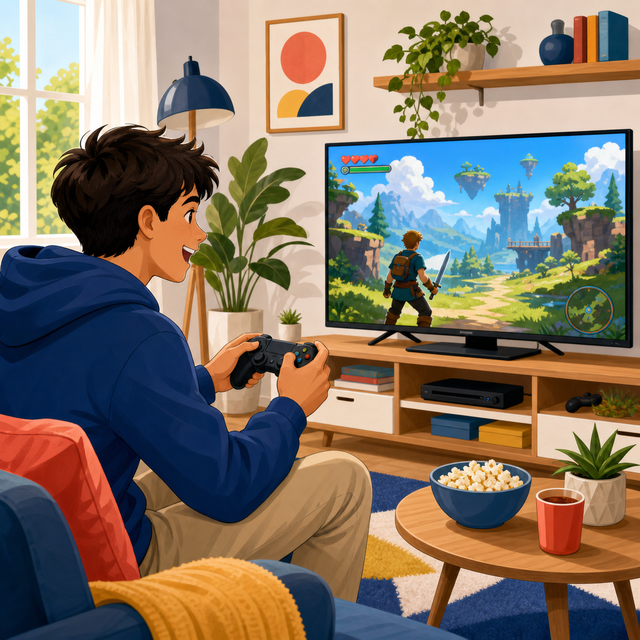
I watch TV.A simple indoor activity.
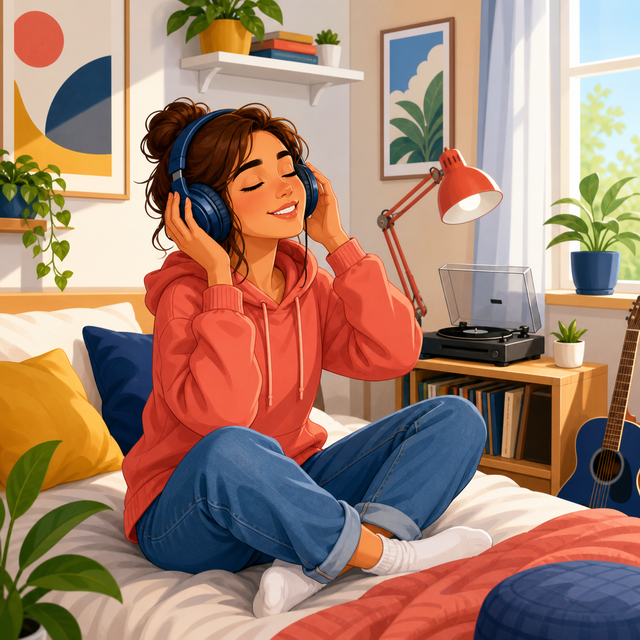
I listen to music.A common relaxing activity.
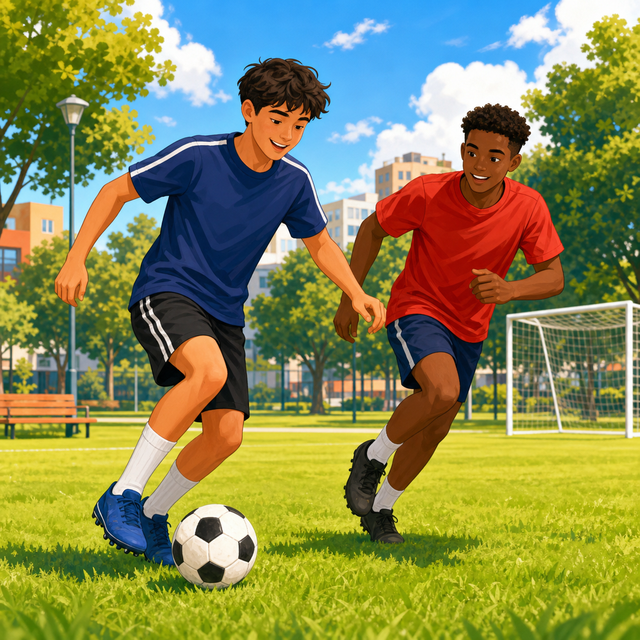
I play soccer.A sport or outdoor activity.
I go out with my friends.A social activity.
I stay home.A simple way to say staying in.
02

Indoor and Outdoor Activity Cards

Learn free-time vocabulary visually and orally before studying grammar. Click the activity name or its Listen button to hear professional American English pronunciation.

Indoor activities

Indoor activities are activities people do at home or inside a place.

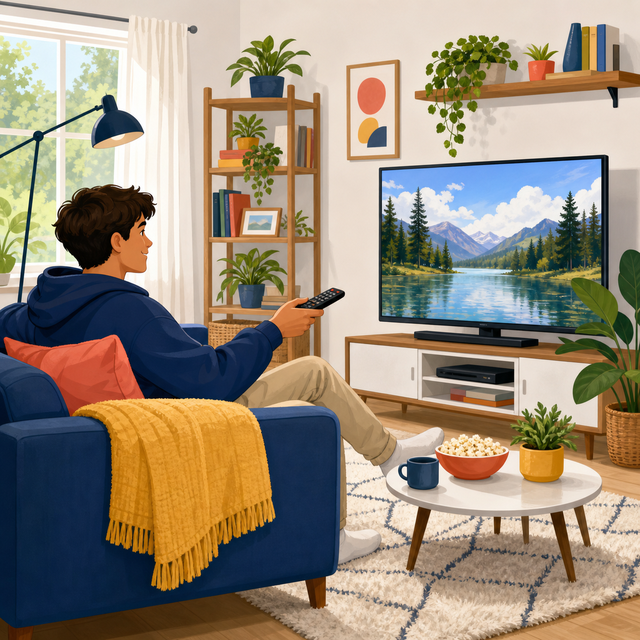
Staying in means doing activities at home.

Outdoor activities

Outdoor activities are activities people do outside the home.

Going out means doing activities outside the home.

Indoor Activities

watch TVstaying in
listen to musicstaying in or outside
read a bookquiet activity
play video gamestechnology activity
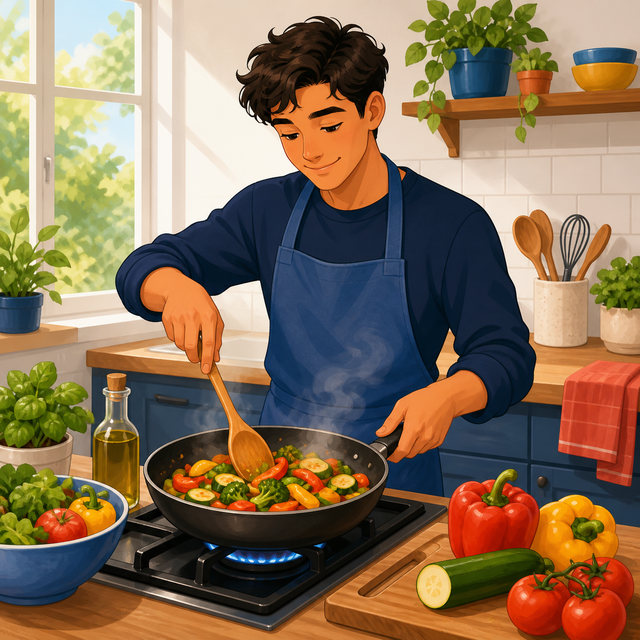
cookhome activity
studyschool activity
use the computertechnology activity
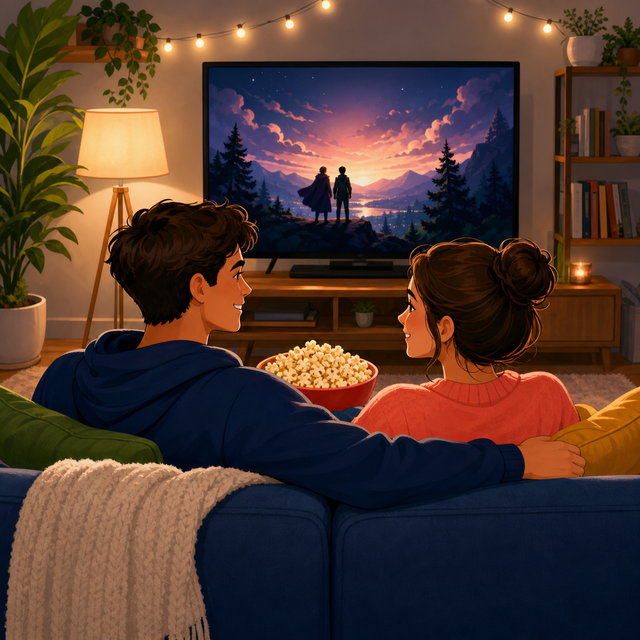
watch movieshome entertainment
sleeprest
chat with friendssocial activity

Outdoor Activities

go to the parkoutside activity
go to the moviesgoing out
go shoppinggoing out
eat outrestaurant activity
play soccersport
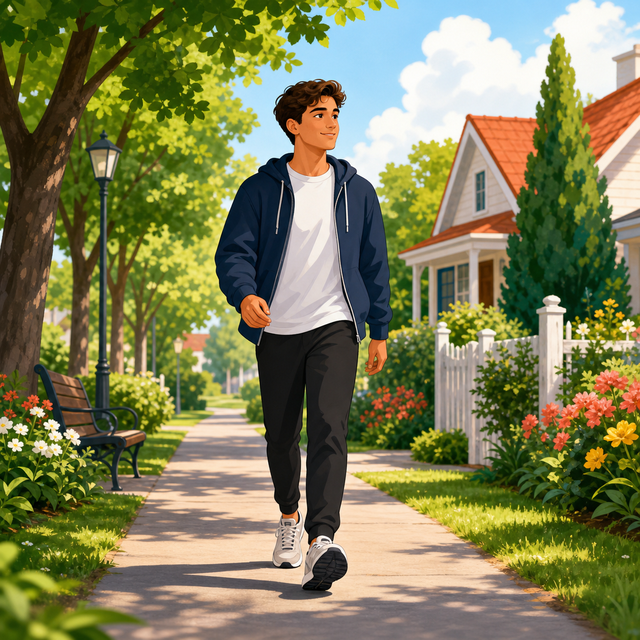
go for a walkoutside routine
visit friendssocial activity
go to a restaurantgoing out
ride a bikeoutside activity
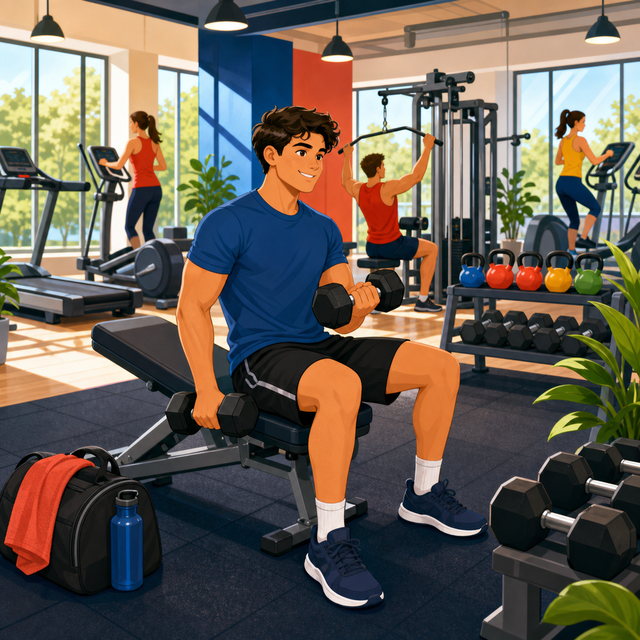
go to the gymfitness activity
Useful contrast: I like staying in. I like going out. I stay in and watch movies. I go out and play soccer.
03

I like + verb-ing / I prefer + verb-ing

Students learn how to express activities they enjoy and activities they choose first.

Audio 2

Likes and Preferences

I like watching TV. I like listening to music. I like playing soccer. I like reading books. I like going out with my friends. I prefer staying in because it is relaxing. I prefer going out because it is fun. I like watching movies, but I prefer listening to music. I like playing video games, but I prefer playing soccer.

Like

Use I like + verb-ing to talk about activities a person enjoys.

I like watching TV. I like listening to music.

Prefer

Use I prefer + verb-ing to say one activity is a favorite or a stronger choice.

I prefer staying in. I prefer going out.

Correct

I like watching TV.Watching names the activity that I enjoy. After like, an activity verb normally takes -ing.
I prefer staying in.Staying in is the activity I choose over another option. After prefer, an activity verb normally takes -ing.

Common mistake

I like watch TV.Incorrect because watch is left in its base form. Here it must name an activity, so write watching.
I prefer stay in.Incorrect because stay is left in its base form. Here it must name the preferred activity, so write staying.
General rule: when like or prefer is followed by an activity verb in this unit, use the gerund: verb + -ing. The gerund works like the name of the activity: watching TV, reading, going out. Do not place the bare verb directly after like or prefer. Compare: I like music (noun) and I like listening to music (activity).
04

Frequency in Context and TV Shows

Frequency adverbs appear in examples and conversations, but this unit does not need a separate frequency audio. Students also learn how to name TV show genres.

Audio decision: Frequency adverbs, do / does questions, and third person singular are integrated in examples and the main conversation. They do not have independent audio tracks in this unit.
100%alwaysI always listen to music after class.
normal habitusuallyI usually watch TV at night.
many timesoftenI often go out on weekends.
not regularsometimesI sometimes play video games.
almost neverrarely / neverI rarely go to the movies. I never watch horror shows.
Audio 3

TV Shows

I like comedy shows because they are funny. My sister likes documentaries because they are interesting. My brother likes cartoons because they are fun. My father often watches sports shows. My mother sometimes watches cooking shows. We never watch horror shows because they are scary. At night, we usually watch a series together.

Main question

What kind of TV shows do you like?

Use this question to ask about genres and preferences.

TV show genres

comedy showsdocumentariescartoonsreality showssports showshorror showscooking showsseriesnews programs

Like + noun

I like comedy shows.Genre as a noun.
I like documentaries.Genre as a noun.

Like watching + genre

I like watching comedy shows.Activity with -ing.
I like watching series at night.Activity plus time.
05

Because and After-Class Routines

Students connect preferences with reasons, then describe what they do after class or after work.

Audio 4

Giving Reasons with Because

I like comedy shows because they are funny. I like documentaries because they are interesting. I like sports shows because they are exciting. I do not like horror shows because they are scary. I prefer staying in because it is relaxing. I prefer going out because it is fun.

Reason structure

Because gives a reason. It explains why a person likes or prefers something.

I like ___ because ___.

Useful reasons

funnyinterestingexcitingrelaxingboringscaryfunpopularentertaining
Audio 5

After Class Routine

I finish class at five p.m. After class, I usually go home. I sometimes watch TV, and I often listen to music. At night, I do my homework and use my phone. On Fridays, I go out with my friends. I like going out, but I prefer staying home during the week.

Main questions

What do you do after class?Ask about routine after school.
What time do you finish class?Ask for the end time.
Do you work or study?Ask about daily life.

After class models

I finish class at five p.m.End time.
After class, I usually go home.Routine plus frequency.
After class, I do my homework.School routine.
After class, I use my phone.Technology habit.
06

Technology Habits

Students use simple vocabulary to talk about phones, computers, social media, online videos, screen time, and using technology carefully.

Audio 6

Technology Habits

I use my phone every day. I usually watch videos at night. I sometimes play video games, and I often use social media. I think I spend too much time online. My brother uses his phone a lot too. He likes playing video games, but he rarely reads books. In my family, technology is very important, but we try to use it carefully.

Technology vocabulary

phonecomputertabletsocial mediainternetvideo gamesonline videosappsscreen timetechnology addict

Too much

Use too much when something is more than good or healthy.

I use my phone too much. She spends too much time online.

Main questions

How often do you use your phone?Ask about frequency.
How much time do you spend online?Ask about screen time.
Do you use social media every day?Yes/no question.

Sentence models

I use my phone every day.Simple habit.
I spend two hours online.Time online.
I think I use technology too much.Opinion plus habit.
07

Phrasal Verbs and Idioms for Free Time

Learn common expressions that English speakers use naturally when they talk about relaxing, socializing, interests, and entertainment.

How to use this section: click each expression to hear its professional American English pronunciation. Learn the complete expression, not only the individual words.

Spend relaxed time with people. I hang out with my friends after class.

Relax and do something easy. I chill out at home on Sundays.

Talk to friends after not seeing them for some time. We catch up over coffee.

Be very interested in something. I am into video games and sports.

Watch many episodes in one sitting. We binge-watch a series on Saturday.

Relax and avoid doing too much. I take it easy after a busy week.

08

Main Conversation and Final Speaking Model

The final two audios integrate free-time vocabulary, likes, preferences, frequency, do / does questions, TV shows, after-class routines, and technology habits.

Audio 7

Free Time Conversation

A natural A1 conversation between Sofia and Daniel about free-time habits, staying in, going out, family habits, TV shows, and technology.

Conversation script

Sofia: Hi, Daniel. What do you do in your free time?

Daniel: Hi, Sofia. In my free time, I usually play soccer with my friends. I also like watching movies at home. What about you?

Sofia: I like listening to music and reading books. I always listen to music after class. I sometimes go out with my sister.

Daniel: That sounds nice. Do you prefer going out or staying in?

Sofia: I prefer staying in because I like relaxing at home. But on weekends, I sometimes go to the park. Do you go out often?

Daniel: Yes, I do. I often go out on Saturdays. I rarely stay home all weekend. I like playing soccer, eating out, and visiting my cousins.

Sofia: Does your brother play soccer too?

Daniel: Yes, he does. He usually plays soccer with me. But he never watches movies. He prefers playing video games.

Sofia: Really? My brother is different. He always watches TV after school. He likes watching cartoons and comedy shows.

Daniel: Does he use his phone a lot?

Sofia: Yes, he does. He often uses his phone at night. My mom says he uses technology too much.

Daniel: I understand. I sometimes use my phone too much too. But I prefer doing sports in my free time.

Sofia: That is good. I think sports are healthy. I prefer quiet activities, like reading and listening to music.

Daniel: So, you like staying in, and I like going out.

Sofia: Yes, exactly. We have different free time habits.

Speaking model

My Free Time Habits

Hello. My name is Laura. In my free time, I usually listen to music and watch TV. I like watching comedy shows because they are funny. I prefer staying in because it is relaxing. I sometimes go out with my friends on weekends. After class, I usually go home and do my homework. I use my phone every day, but I do not play video games. Thank you.

01IntroductionHello. My name is Laura.
02Free time activitiesIn my free time, I usually listen to music and watch TV.
03LikesI like watching comedy shows because they are funny.
04PreferencesI prefer staying in because it is relaxing.
05FrequencyI sometimes go out with my friends on weekends.
06After class routineAfter class, I usually go home and do my homework.
07Technology habitI use my phone every day, but I do not play video games.
08ClosingThank you.